Skip to content

Four core technologies
for precise image analysis

High-resolution image processing, deep learning, explainable visualization and multi-class classification — the foundation of TORAH Vision AI.

01Core Technology

Inside TORAH Vision AI

Each technology is designed so clinicians can understand and verify what the AI reports.

01

High-Resolution Imaging

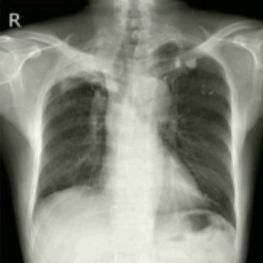
High-resolution medical imaging

Uses the wide grayscale range of medical images so that subtle differences in density inform the analysis.

  • DICOM input support
  • High-resolution preprocessing and normalization
  • Preservation of subtle density information
High-resolution medical imaging
02

Deep Learning

ResNet50-based deep learning

A ResNet50-based convolutional neural network extracts image features from chest X-rays and classifies findings.

  • ResNet50-based CNN architecture
  • Feature extraction and finding classification
  • Trained on specialist-annotated data
03

Explainable AI

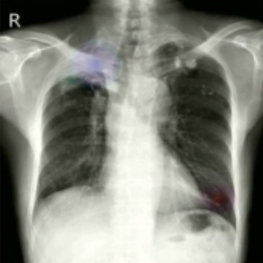
Grad-CAM attention visualization

Heatmaps highlight the regions the AI relied on, so clinicians can verify results directly on the image.

  • Grad-CAM heatmap
  • Per-finding bounding boxes
  • Integrated BBox · Grad-CAM report
Grad-CAM attention visualization
04

Multi-class AI

Multi-finding classification

A single analysis classifies 14 abnormal findings together with No Finding for a comprehensive assessment of each study.

  • 14 abnormal findings + normal class
  • Per-finding scores
  • Simultaneous multi-finding detection

02Development Pipeline

From data to product

Every stage, from data management to release, is controlled under our medical device quality management system.

  1. 01

    Data collection & de-identification

    Medical images are acquired with personal information removed.

  2. 02

    Specialist annotation

    Specialists label findings to build the training dataset.

  3. 03

    Model training

    Deep learning models are trained and optimized.

  4. 04

    Performance verification

    Model performance is verified on separate data.

  5. 05

    Controlled release

    Products are released and maintained under QMS procedures.

03Research

Research activities

2025.11

AI prognosis prediction in bacteremia with pulmonary infection

Mortality-risk prediction combining chest X-ray and clinical data — Excellence Award for presentation

2025.11

Bio-semiconductor & Stem Cell Panel Discussion

Presented AI-based prognosis prediction for bacteremia patients with lung disease

2025.08

Korean Society for Thoracic & Cardiovascular Surgery

Exhibition and demonstration at Korea ECMO Symposium & The 8th BEST 2025

Contact

Let's talk about
medical AI for your institution

Product adoption, demo requests, clinical collaboration or international partnerships — our team responds within one business day.